What Is Budgeting? A Beginner’s Guide to Managing Your Money and Saving More
Updated on 2026-05-20 at 10:35
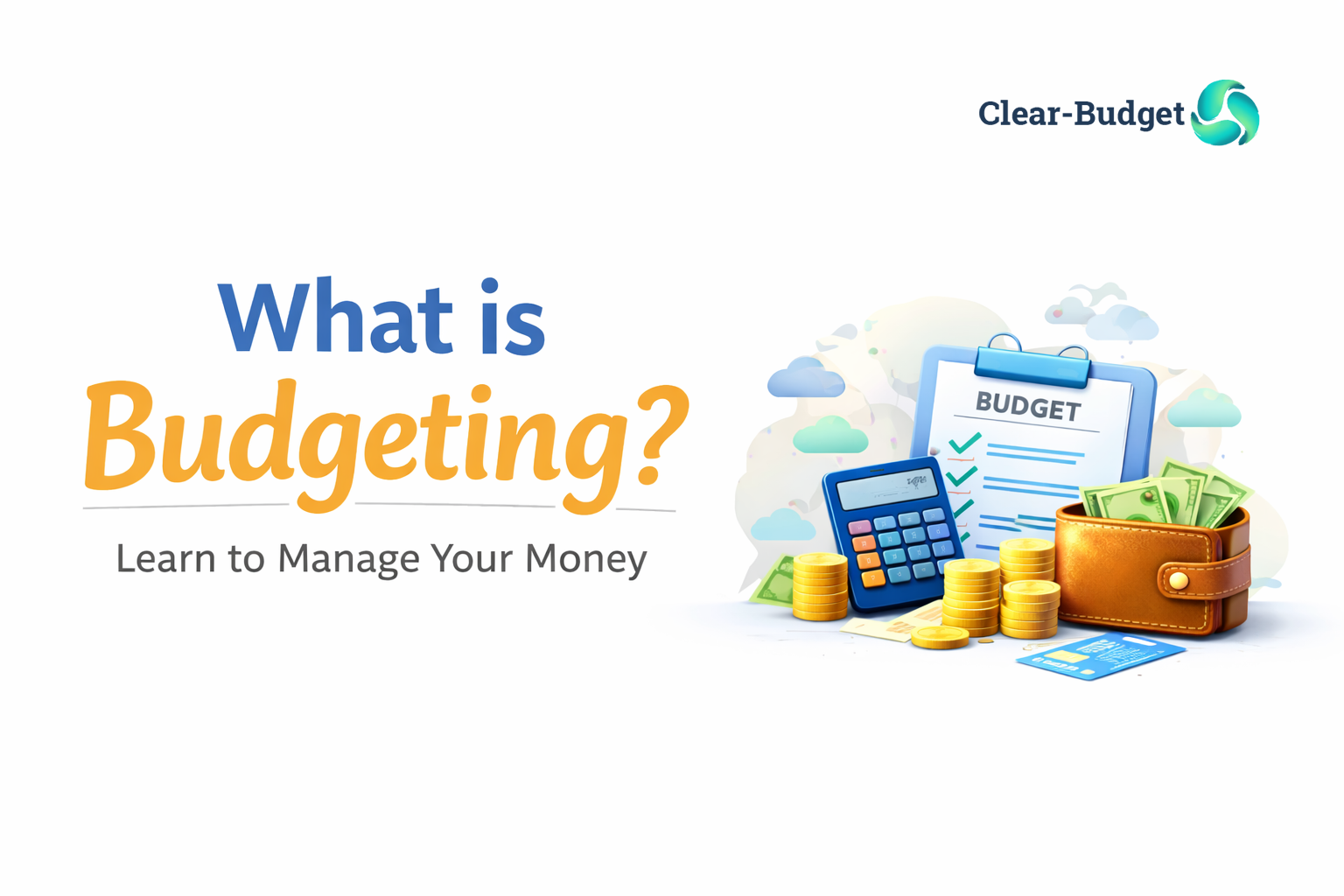
Budgeting is one of the most important personal finance skills you can learn—yet it’s also one of the most misunderstood.
Some people think budgeting means cutting all fun spending, living on instant noodles, and saying “no” to everything. But that’s not what budgeting is at all.
Budgeting is simply a plan for your money.
It helps you decide where your income should go before it disappears.
Whether you’re trying to pay off debt, save for a vacation, build an emergency fund, or just stop wondering where your paycheck went, budgeting is the foundation.
✅ What Is Budgeting? (Simple Definition)
Budgeting is the process of tracking your income and expenses and creating a plan for how you will spend and save money each month.
In other words:
✅ You earn money
✅ You plan what it will be used for
✅ You adjust as needed
✅ You stay in control
A budget doesn’t control you — you control the budget.
✅ Why Budgeting Matters
Budgeting gives you clarity. It turns your finances from “random and stressful” into “organized and predictable.”
Here are a few reasons budgeting is so powerful:
1. Budgeting helps you stop overspending
When you don’t have a plan, it’s easy to spend based on mood, habits, or convenience.
A budget helps you spend on purpose.
2. Budgeting helps you save faster
Most people want to save money, but saving rarely happens by accident.
A budget makes savings a category—just like rent or groceries.
3. Budgeting helps you reduce financial stress
When bills hit unexpectedly, budgeting makes you feel prepared instead of panicked.
Even if you can’t solve everything instantly, you at least know what’s going on.
4. Budgeting helps you reach financial goals
Want to buy a house? Pay off a credit card? Start investing?
Budgeting helps you build a path instead of relying on hope.
✅ What a Budget Includes
Most budgets include these basic parts:
Income
This is how much money you bring in each month.
• Paychecks
• Freelance income
• Side hustles
• Child support
• Government benefits
Expenses
These are the things you spend money on, such as:
1. Fixed expenses (usually the same each month)
• Rent/mortgage
• Car payment
• Insurance
• Phone bill
2. Variable expenses (changes month to month)
• Groceries
• Gas
• Eating out
• Shopping
• Entertainment
3. Savings
• Emergency fund
• Vacation savings
• Holiday fund
• Car repairs fund
4. Debt payments
• Credit cards
• Student loans
• Personal loans
✅ Common Budgeting Myths (That Stop People From Starting)
Let’s clear up a few popular misconceptions:
❌ “Budgeting is only for people who are broke”
Nope. Budgeting is for anyone who wants to keep more of what they earn.
In fact, high-income earners can get into financial trouble even faster without a budget.
❌ “If I budget, I can’t have fun”
Wrong. A good budget includes fun.
The goal isn’t restriction—it’s balance.
❌ “Budgeting takes too much time”
Modern budgeting can take as little as 10–15 minutes a week, especially if you use a budgeting app.
✅ How to Start Budgeting (Beginner-Friendly Steps)
If you’re brand new, here’s a simple way to begin:
Step 1: Write down your monthly income
Look at your take-home pay (after taxes), not your “gross” salary.
Step 2: List your essential bills first
Start with the basics:
• Rent
• Utilities
• Food
• Transportation
• Insurance
Step 3: Add savings (even small amounts)
Even $10–$25 per paycheck counts.
The habit matters more than the amount at first.
Step 4: Make room for real-life spending
This is where many budgets fail.
Make sure you include categories like:
• Eating out
• Personal care
• Kids expenses
• Subscriptions
• Fun money
Step 5: Track your spending and adjust
A budget isn’t a “perfect plan.” It’s a living system.
If you overspend one week, you don’t quit—you adjust.
✅ Best Budgeting Methods for Beginners
There isn’t one “best” way to budget. The best method is the one you can actually stick to.
Here are a few common methods:
• 50% needs
• 30% wants
• 20% savings/debt
Great for beginners who want something simple.
Every dollar has a job, so your income minus expenses equals zero.
Great for people who want detailed control.
Paycheck Budgeting
You plan spending based on each paycheck instead of the full month.
Great if you get paid biweekly or weekly.
✅ Final Thoughts: Budgeting Gives You Control
Budgeting isn’t about being cheap.
It’s about being intentional.
When you budget, you’re telling your money where to go instead of wondering where it went.
And the best part?
You don’t have to be perfect. You just have to start.
✅ Quick Takeaway
If you remember one thing from this post, remember this:
📌 Budgeting is a plan for your money that helps you spend smarter, save more, and stress less.
Take Control of Your Money Today
Budgeting doesn’t have to be complicated. With the right system, you can stop guessing where your money went—and start making progress toward your goals.
✅ Track your spending with less stress
✅ Plan bills, savings, and fun money in one place
✅ Build habits that actually stick long-term
Now that you know what a budget is check out How to Create Your First Budget
Ready to start your first budget?
👉 Try Clear-Budget and build a simple plan in minutes.
Related Articles
-
 Struggling to stick to your budget? Learn 10 realistic, beginner-friendly tips to stay on track, avoid overspending, and build better money habits.
 -
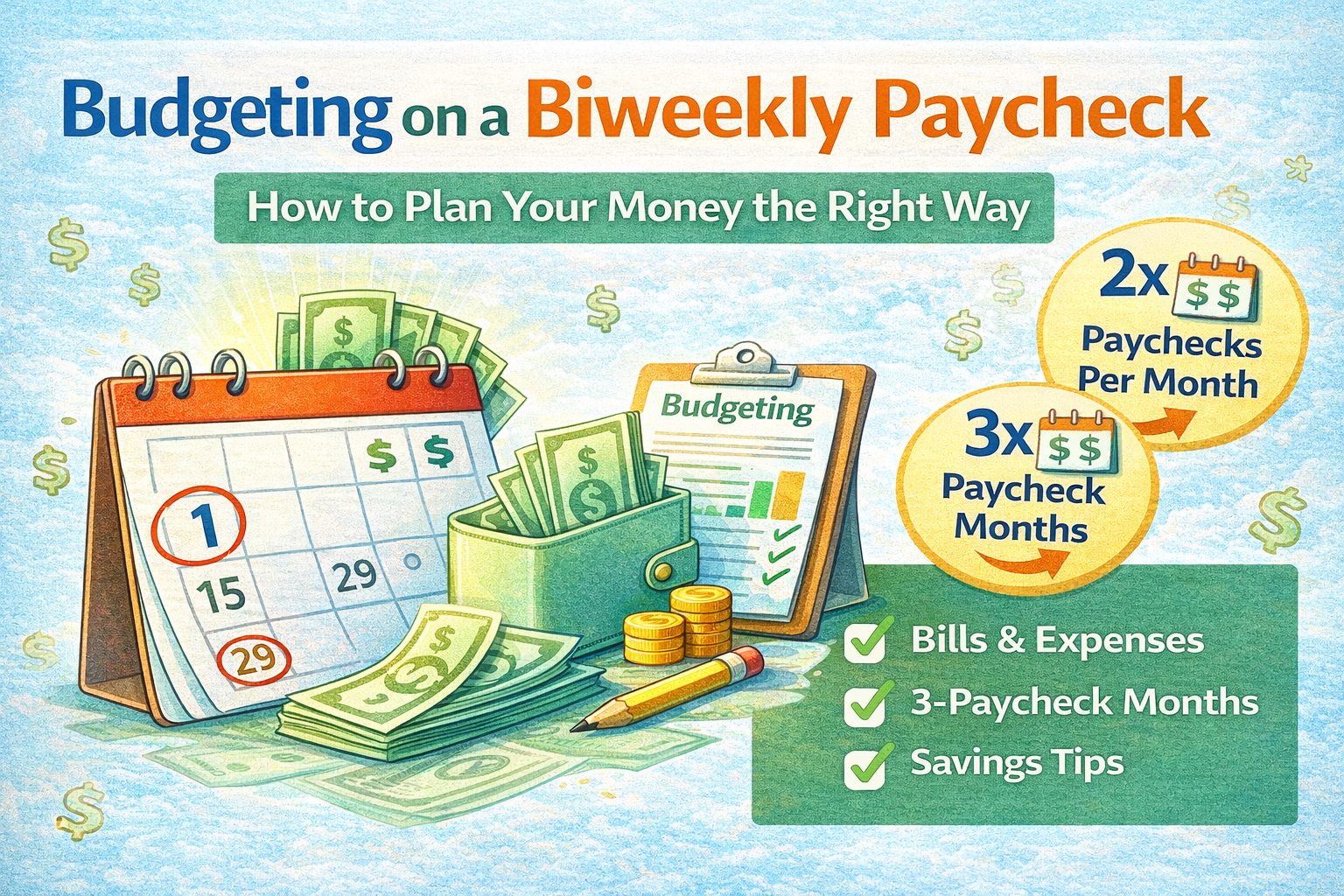 Learn how to budget with a biweekly paycheck. Discover simple strategies to manage bills, handle 3-paycheck months, and stay in control of your financ
 -
 Learn how to create your first budget with this simple step-by-step guide. Perfect for beginners who want to save money and manage finances better.
 -
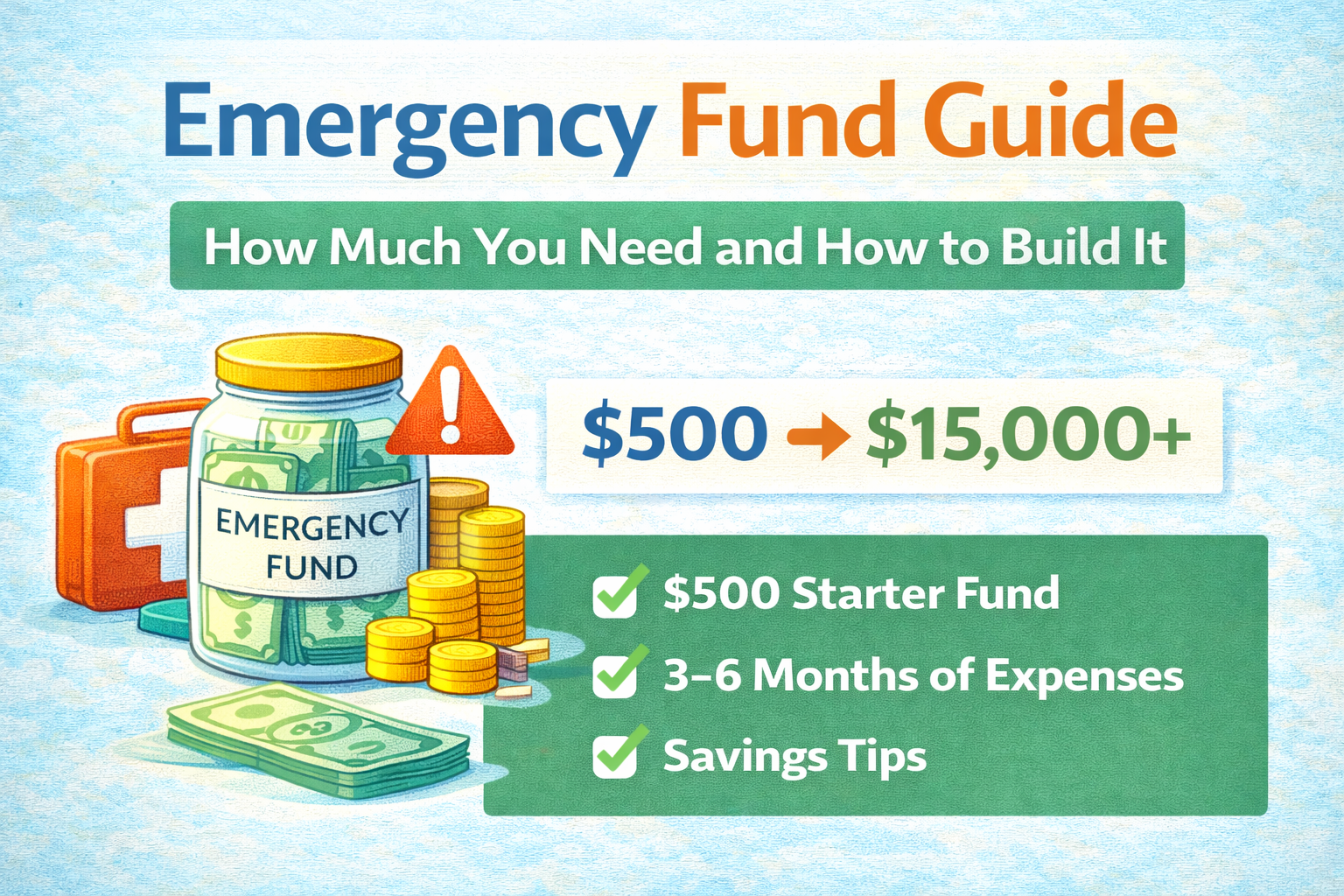 Learn why an emergency fund is essential, how much you should save, and practical strategies to build one faster.
 -
 Discover the benefits of using a budget app to track expenses, set goals, manage bills, and gain financial insights for better money management.