50/30/20 Budget Rule Explained: A Simple Guide for Beginners
Updated on 2026-02-28 at 11:29
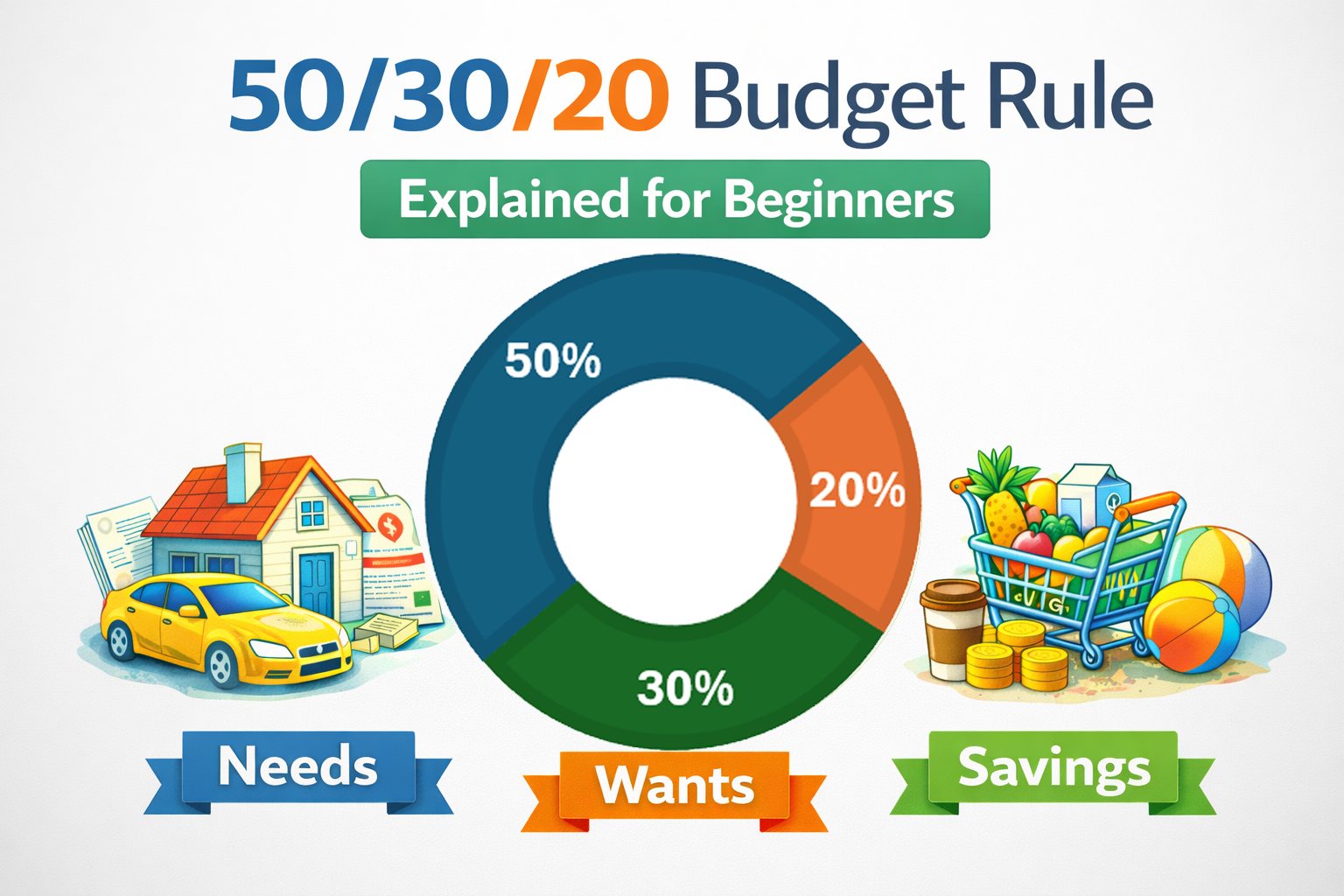
If you’re new to budgeting and feel overwhelmed by categories, spreadsheets, and detailed tracking, the 50/30/20 rule might be exactly what you need.
It’s one of the simplest budgeting methods available — and that’s why so many beginners start here.
Instead of tracking dozens of categories, you divide your income into just three groups:
• 50% for Needs
• 30% for Wants
• 20% for Savings
Let’s break down what that really means — and how to apply it in real life.
✅ What Is the 50/30/20 Budget Rule?
The 50/30/20 rule is a percentage-based budgeting method that divides your after-tax income into three main categories:
🏠 50% — Needs
Essential expenses you must pay to live and work.
🎉 30% — Wants
Non-essential lifestyle spending.
💰 20% — Savings
Savings, investments, and extra debt payments.
It’s simple, flexible, and easy to remember.
🏠 The 50% Category: Needs
Needs are essential expenses you cannot avoid.
These typically include:
• Rent or mortgage
• Utilities
• Insurance
• Minimum debt payments
• Groceries
• Transportation
• Phone bill
• Basic medical expenses
🧠 Real-Life Example
Let’s say your monthly take-home pay is:
$4,000
Under the 50/30/20 rule:
50% for needs = $2,000
If your rent is $1,400 and other essential bills total $800, your needs are $2,200.
That tells you something important:
👉 Your fixed costs may be too high for this framework.
The 50/30/20 rule helps reveal whether your lifestyle aligns with your income.
🎉 The 30% Category: Wants
Wants are things you enjoy but could technically live without.
Examples include:
• Dining out
• Streaming subscriptions
• Shopping
• Vacations
• Hobbies
• Gym memberships
• Entertainment
🧠 Real-Life Example
With a $4,000 income:
30% = $1,200
If you normally spend:
• $500 dining out
• $200 shopping
• $300 entertainment
• $150 subscriptions
• $200 hobbies
You’re at $1,350 — slightly over.
That gives you clarity and room to adjust.
💰 The 20% Category: Savings
This portion builds your future financial security.
It can include:
• Emergency fund
• Retirement contributions
• Investment accounts
• Extra debt payments
• Down payment savings
🧠 Real-Life Example
With $4,000 take-home pay:
20% = $800
If you:
• Put $300 into savings
• $200 into retirement
• $300 toward extra debt
You’re hitting your 20% goal.
This category is what helps you build long-term stability.
✅ Why the 50/30/20 Rule Works
It works because it’s:
✔️ Simple
✔️ Flexible
✔️ Easy to adjust
✔️ Not overly restrictive
For beginners, simplicity is powerful.
Instead of tracking 15 categories, you focus on three buckets.
⚠️ When the 50/30/20 Rule Doesn’t Fit Perfectly
Not everyone’s situation fits neatly into these percentages.
For example:
• If you live in a high-cost city, your needs may be 60–70%.
• If you’re aggressively paying off debt, savings might be 30–40%.
• If you’re just starting out, you may not hit 20% savings immediately.
That’s okay.
The 50/30/20 rule is a guideline — not a strict law.
🔄 How to Start Using the 50/30/20 Rule
Here’s a simple process:
Step 1: Calculate Your After-Tax Income
Use your real take-home pay.
Step 2: Multiply by Each Percentage
Income × 0.50 = Needs
Income × 0.30 = Wants
Income × 0.20 = Savings
Step 3: Compare to Your Current Spending
Look at your last 2–3 months of transactions.
Where do you fall?
This comparison is often eye-opening.
Step 4: Adjust Gradually
If your needs are too high, you might:
• Reevaluate housing costs
• Refinance debt
• Cut unnecessary subscriptions
If your wants are too high:
• Reduce dining out
• Limit impulse purchases
Small shifts can rebalance your budget.
📊 Example Full Breakdown
Let’s look at a realistic scenario:
Monthly take-home pay: $3,500
Needs (50%) = $1,750
Wants (30%) = $1,050
Savings (20%) = $700
If current spending is:
Needs = $1,900
Wants = $1,200
Savings = $400
You now know:
• Needs are slightly high
• Wants are slightly high
• Savings need improvement
The rule gives you direction.
✅ Is 50/30/20 Good for Beginners?
Yes — especially if you:
• Feel overwhelmed by detailed budgeting
• Want a simple starting framework
• Prefer percentage-based planning
• Need flexibility
It’s a strong entry point into budgeting.
As your confidence grows, you can switch to more detailed methods like zero-based budgeting.
💡 Quick Takeaway
📌 50% Needs
📌 30% Wants
📌 20% Savings
Simple framework. Clear structure. Flexible application.
It’s not about perfection — it’s about balance.
Want an easier way to see how your spending fits into needs, wants, and savings?
Using a budgeting tool can help you automatically categorize expenses and see your percentages clearly each month.
Related Articles
-
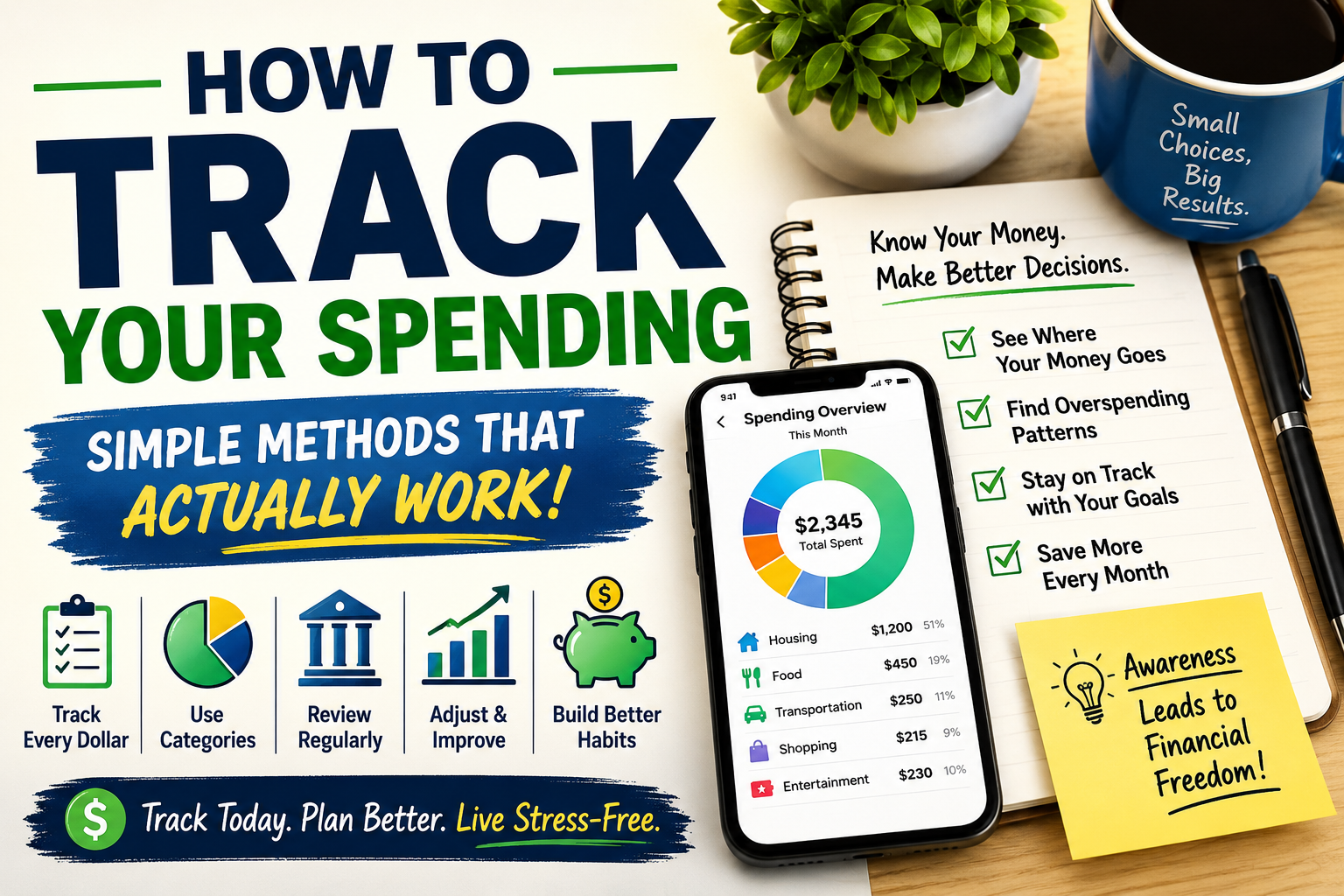 Learn how to track your spending with beginner-friendly methods. Discover how tracking expenses can help you save money, and avoid overspending.
 -
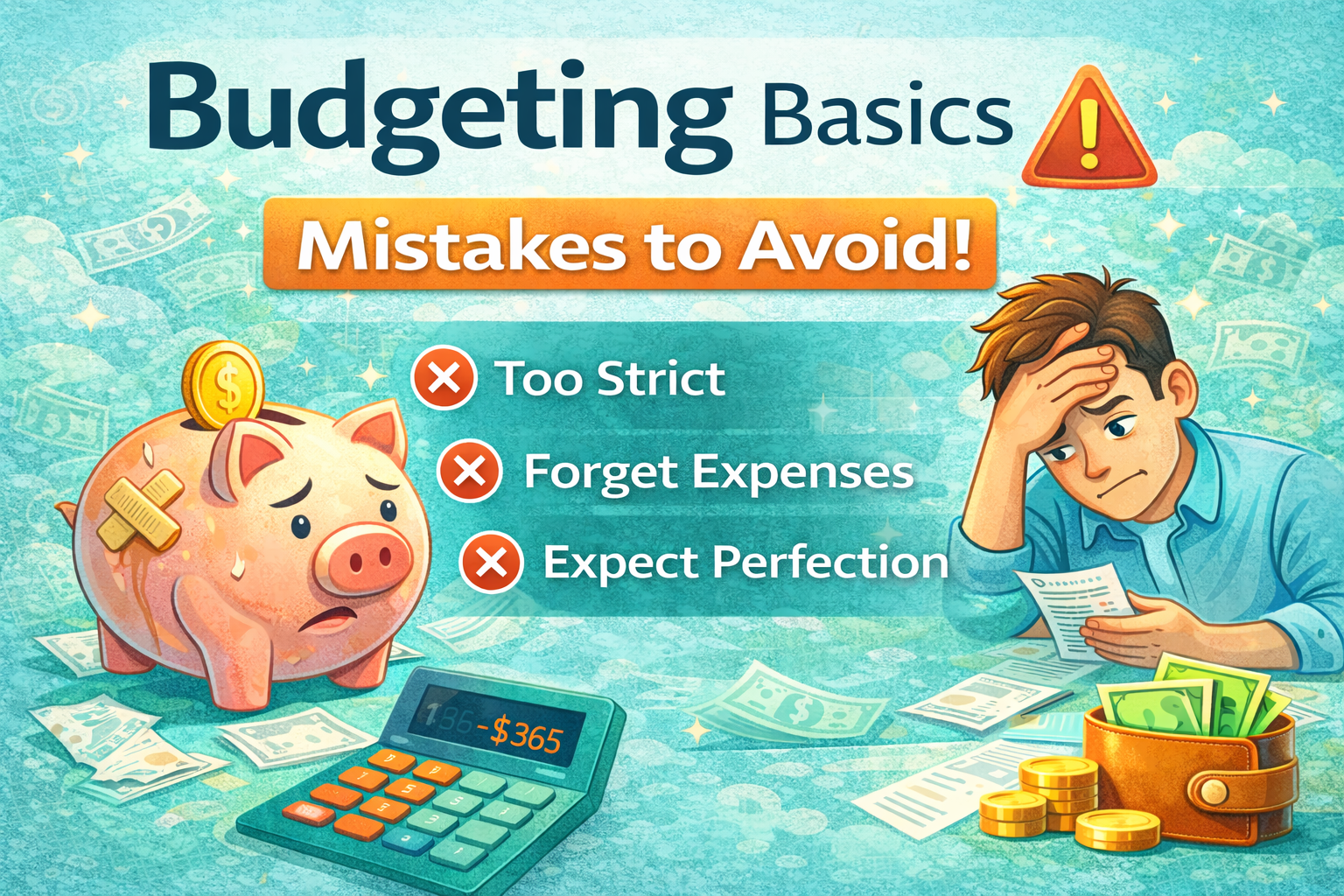 New to budgeting? Discover the most common budgeting mistakes beginners make, with real-life examples and simple fixes to help you save more and stres
 -
 Discover the benefits of using a budget app to track expenses, set goals, manage bills, and gain financial insights for better money management.
 -
 Budgeting is a simple plan for your money. Learn what budgeting is, why it matters, and how to start a realistic budget that helps you save more and s
 -
 Learn why an emergency fund is essential, how much you should save, and practical strategies to build one faster.