Zero-Based Budgeting Explained: How to Give Every Dollar a Job
Updated on 2026-03-08 at 09:02
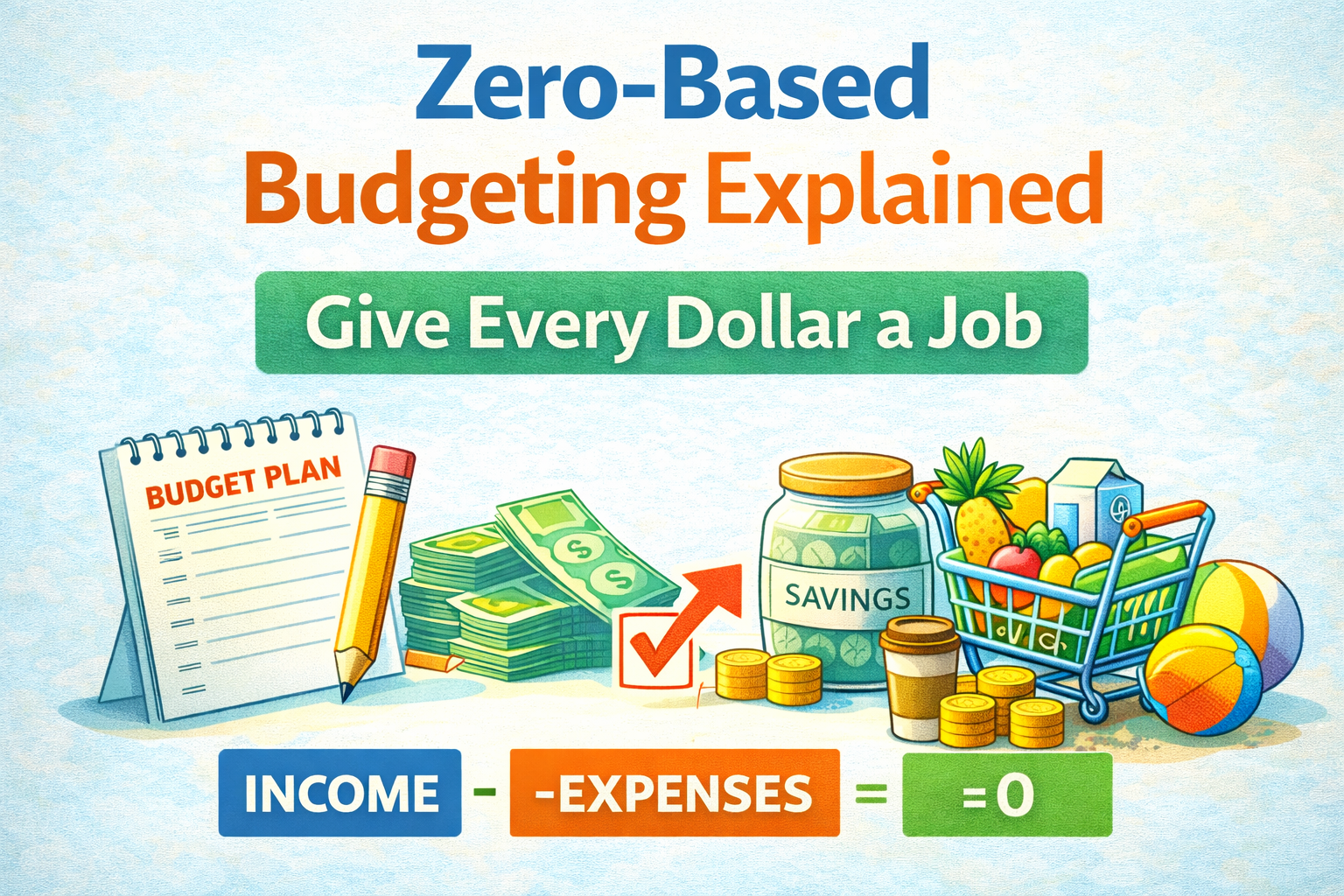
If you’ve started budgeting but still feel like money slips through the cracks, zero-based budgeting might be the method you’re looking for.
Unlike simpler budgeting strategies that group spending into broad categories, zero-based budgeting focuses on assigning every dollar of your income a specific purpose.
By the end of your budget plan, your income minus your expenses should equal zero.
This doesn’t mean you spend everything — it means every dollar is intentionally planned.
Let’s break down how this method works and why so many people find it powerful.
What Is Zero-Based Budgeting?
Zero-based budgeting is a budgeting method where:
Income – Expenses = $0
Every dollar you earn gets assigned to a category such as:
• Bills
• Living expenses
• Savings
• Debt payments
• Investing
• Fun spending
Instead of leaving leftover money unplanned, you decide exactly where it goes before you spend it.
Why It’s Called “Zero-Based”
The term zero-based comes from the goal of ending your budget plan with zero dollars left unassigned.
For example:
Monthly income: $3,500
You then allocate that income across categories until you reach zero.
Example allocation:
| Category | Amount |
|---|---|
| Rent | $1,200 |
| Groceries | $400 |
| Utilities | $250 |
| Transportation | $200 |
| Insurance | $150 |
| Savings | $300 |
| Debt Payments | $350 |
| Entertainment | $100 |
| Dining Out | $150 |
| Emergency Fund | $200 |
| Miscellaneous | $200 |
Total = $3,500
Remaining income = $0
Every dollar now has a purpose.
Why Zero-Based Budgeting Works So Well
One of the biggest problems people face with budgeting is unplanned spending.
Money left without a purpose often gets spent without much thought.
Zero-based budgeting solves this problem by giving every dollar a job.
Benefits include:
✔ Better control over spending
✔ More intentional financial decisions
✔ Faster progress toward goals
✔ Greater awareness of money habits
When every dollar is planned, there’s less room for financial surprises.
Real-Life Example
Let’s say Sarah earns $4,000 per month after taxes.
She decides to build a zero-based budget.
Her budget might look like this:
| Category | Amount |
|---|---|
| Rent | $1,400 |
| Utilities | $250 |
| Groceries | $450 |
| Transportation | $200 |
| Insurance | $150 |
| Student Loan | $350 |
| Savings | $400 |
| Retirement | $300 |
| Dining Out | $200 |
| Entertainment | $150 |
| Clothing | $75 |
| Emergency Fund | $75 |
Total = $4,000
At first glance this may seem restrictive, but the opposite is often true.
Sarah now knows exactly how much she can safely spend in each area.
The Key Principle: Give Every Dollar a Job
The core idea of zero-based budgeting is simple:
Money should be planned before it is spent.
That means assigning income to categories like:
Living Expenses
Rent, utilities, groceries, transportation.
Financial Goals
Savings, investing, retirement contributions.
Debt Payments
Credit cards, student loans, car loans.
Lifestyle Spending
Dining out, hobbies, entertainment.
Even small categories matter because they help prevent overspending.
Step-by-Step: How to Create a Zero-Based Budget
Creating a zero-based budget is straightforward once you follow a clear process.
Step 1: Calculate Your Monthly Income
Start with your after-tax income.
Include:
• Salary or wages
• Side income
• Freelance work
• Any consistent additional income
Step 2: List All Monthly Expenses
Write down all recurring expenses including:
• Housing
• Utilities
• Transportation
• Food
• Insurance
• Subscriptions
This gives you a clear picture of your fixed costs.
Step 3: Add Variable Spending
Variable spending includes things like:
• Dining out
• Shopping
• Entertainment
• Personal spending
These categories are where many budgets need the most attention.
Step 4: Assign Remaining Money to Goals
Once essentials are covered, allocate money toward:
• Savings
• Emergency funds
• Investments
• Extra debt payments
This step ensures your budget supports your long-term goals.
Step 5: Adjust Until the Budget Equals Zero
Continue assigning money to categories until:
Income – Expenses = $0
Again, this does not mean spending everything — it means everything is planned.
Who Should Use Zero-Based Budgeting?
This budgeting method works especially well for people who:
• Want detailed control over their finances
• Are focused on paying off debt
• Prefer a structured plan for spending
• Want to eliminate impulse purchases
It’s also useful for anyone who feels like their money disappears without explanation.
When Zero-Based Budgeting Might Feel Challenging
While powerful, this method can require more effort than simpler systems like the 50/30/20 rule.
Challenges may include:
• More frequent budget adjustments
• Tracking spending regularly
• Updating categories throughout the month
However, many people find the added control worth the effort.
Zero-Based Budgeting vs the 50/30/20 Rule
Both methods are effective but serve different needs.
| Budget Method | Best For |
|---|---|
| 50/30/20 Rule | Simple budgeting structure |
| Zero-Based Budgeting | Detailed financial control |
If you prefer a simple overview, the 50/30/20 rule works well.
If you prefer complete control and intentional planning, zero-based budgeting may be the better option.
Final Thoughts
Zero-based budgeting is one of the most powerful ways to take control of your finances.
By giving every dollar a job, you:
• Reduce financial uncertainty
• Spend more intentionally
• Build savings faster
• Reach financial goals with greater clarity
Budgeting doesn’t have to be restrictive — it simply helps ensure your money is working for you.
Quick Takeaway
Zero-based budgeting means:
✔ Assign every dollar a purpose
✔ Plan spending before the month begins
✔ Adjust categories as needed
✔ Focus on intentional money decisions
When done consistently, this method can dramatically improve your financial confidence.
Related Articles
-
 Struggling to stick to your budget? Learn 10 realistic, beginner-friendly tips to stay on track, avoid overspending, and build better money habits.
 -
 Fixed vs Variable Expenses Explained: A Beginner’s Guide to Smarter Budgeting
 -
 Learn why an emergency fund is essential, how much you should save, and practical strategies to build one faster.
 -
 Learn how to budget with a biweekly paycheck. Discover simple strategies to manage bills, handle 3-paycheck months, and stay in control of your financ
 -
 New to budgeting? Discover the most common budgeting mistakes beginners make, with real-life examples and simple fixes to help you save more and stres