How to Stick to a Budget: 10 Realistic Tips That Actually Work
Updated on 2026-02-28 at 10:42
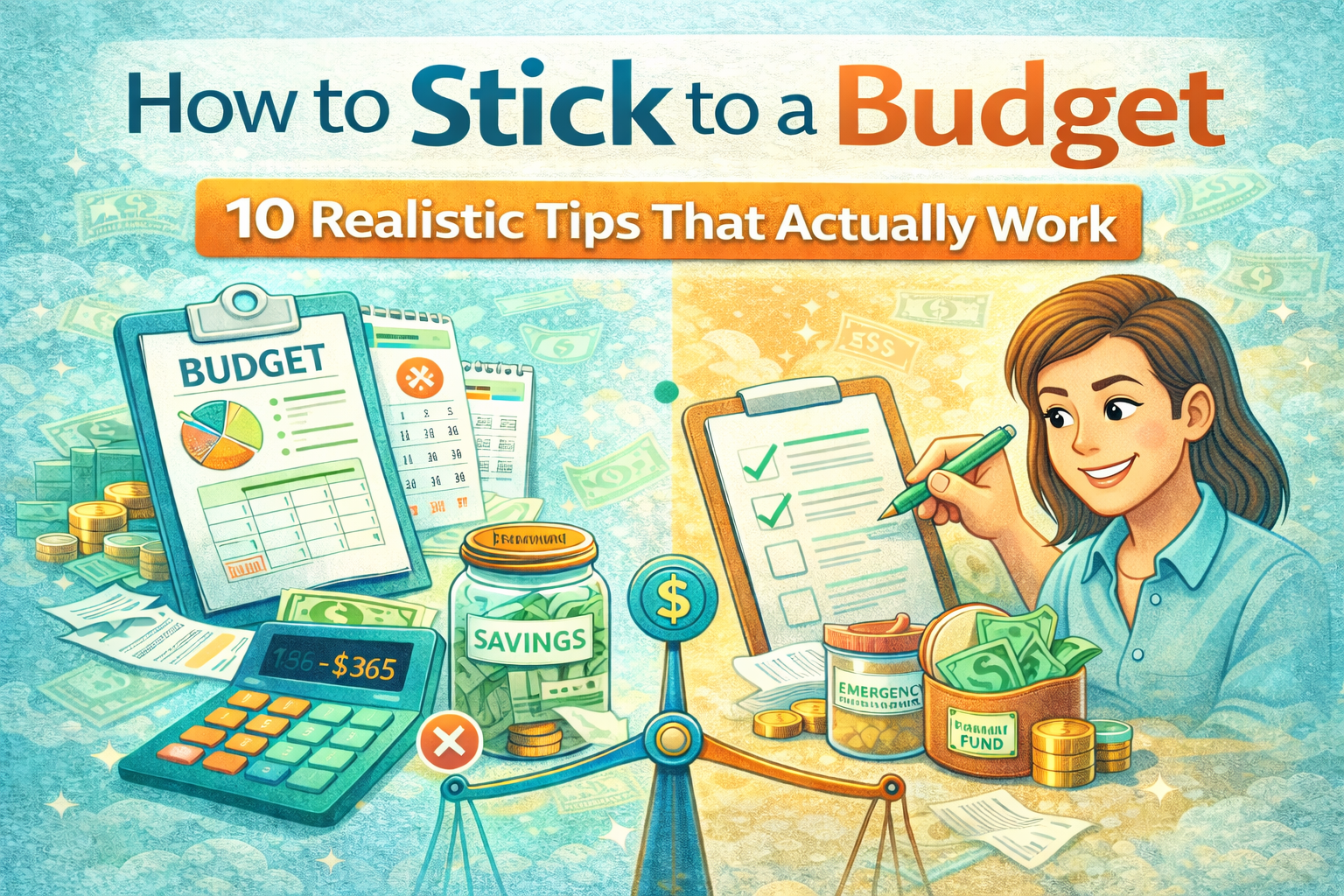
Creating a budget is a great first step.
But sticking to it?
That’s where most people struggle.
If you’ve ever set up a budget only to abandon it a few weeks later, you’re not alone. The truth is, budgeting success isn’t about willpower — it’s about using systems that work in real life.
The good news? With a few smart adjustments, you can build a budget that actually sticks.
Let’s walk through the strategies that make the biggest difference.
❌ Why Most Budgets Fail
Before we talk about solutions, it helps to understand the problem.
Most budgets fail because they are:
• Too strict
• Too complicated
• Based on unrealistic numbers
• Never reviewed
• Missing flexibility
Budgeting isn’t meant to be perfect — it’s meant to be practical.
✅ Tip 1: Make Your Budget Realistic
One of the fastest ways to fail is to create a “fantasy budget.”
Example:
You normally spend:
• $400 on groceries
• $200 eating out
But your new budget says:
• Groceries: $200
• Eating out: $0
That gap creates frustration and usually leads to overspending.
✔️ What to do instead
Start with your actual spending, then improve gradually.
Small wins build lasting habits.
✅ Tip 2: Track Your Spending Weekly
Many people only look at their budget once a month — and by then, the damage is done.
Weekly check-ins help you:
• Catch overspending early
• Stay aware of your habits
• Make small course corrections
🧠 Example
If you notice mid-week that dining out is already high, you can cook at home the rest of the week and stay on track.
10 minutes per week can save your whole budget.
✅ Tip 3: Use the “Fun Money” Rule
Budgets that remove all enjoyment rarely last.
When people feel deprived, they often binge spend later.
✔️ Build in guilt-free spending
Examples:
• $50/month personal spending
• $100/month dining out
• Small hobby allowance
This makes your budget sustainable.
✅ Tip 4: Automate What You Can
Automation removes the need for constant decision-making.
Good candidates for automation:
• Savings transfers
• Bill payments
• Debt payments
• Investment contributions
🧠 Example
If $100 automatically moves to savings each payday, you don’t have to rely on motivation.
Automation builds consistency.
✅ Tip 5: Plan for Irregular Expenses
This is where many budgets quietly break.
Irregular expenses include:
• Car maintenance
• Holidays
• Annual subscriptions
• Medical costs
• School expenses
✔️ Use sinking funds
Example:
Holiday spending goal: $600
Save: $50/month
When December arrives, you’re ready — no stress, no credit card.
✅ Tip 6: Review Your Budget Monthly
Your budget should evolve as your life changes.
Each month, ask:
• What worked?
• What felt tight?
• Where did I overspend?
• What should I adjust?
🧠 Example
If groceries have been over budget for 3 months, it may be time to increase that category realistically.
✅ Tip 7: Watch Your Variable Expenses Closely
Fixed expenses are predictable.
Variable spending is where budgets usually drift.
Common problem areas:
• Dining out
• Amazon purchases
• Subscription creep
• Convenience spending
✔️ Simple habit
Review your variable categories first during weekly check-ins.
That’s where the biggest wins usually are.
✅ Tip 8: Use Visual Progress Tracking
Seeing progress is motivating.
When people can visually see:
• Savings growing
• Debt shrinking
• Spending improving
They’re more likely to continue.
🧠 Example
Watching your emergency fund grow from:
$100 → $500 → $1,000
…builds momentum.
✅ Tip 9: Adjust Without Guilt
Perfection is not the goal.
Real life includes:
• Unexpected expenses
• Busy weeks
• Price increases
• Life changes
If your budget needs adjusting, that’s normal — not failure.
Flexible budgets last longer.
✅ Tip 10: Focus on Building the Habit First
In the beginning, consistency matters more than precision.
If you:
• Check your budget regularly
• Stay aware of spending
• Make small improvements
You’re already winning.
Budgeting is a skill that strengthens over time.
✅ Final Thoughts
Sticking to a budget isn’t about being perfect or disciplined every day.
It’s about building a system that supports your real life.
When your budget is:
• Realistic
• Flexible
• Reviewed regularly
• Easy to maintain
…it becomes much easier to stay consistent.
💡 Quick Takeaway
📌 Make your budget realistic
📌 Track weekly
📌 Automate savings
📌 Plan for surprises
📌 Adjust as needed
Small habits create big financial progress.
Want an easier way to stay on track?
Using a budgeting tool can help you monitor spending, automate savings, and adjust your plan without the spreadsheet stress.
Related Articles
-
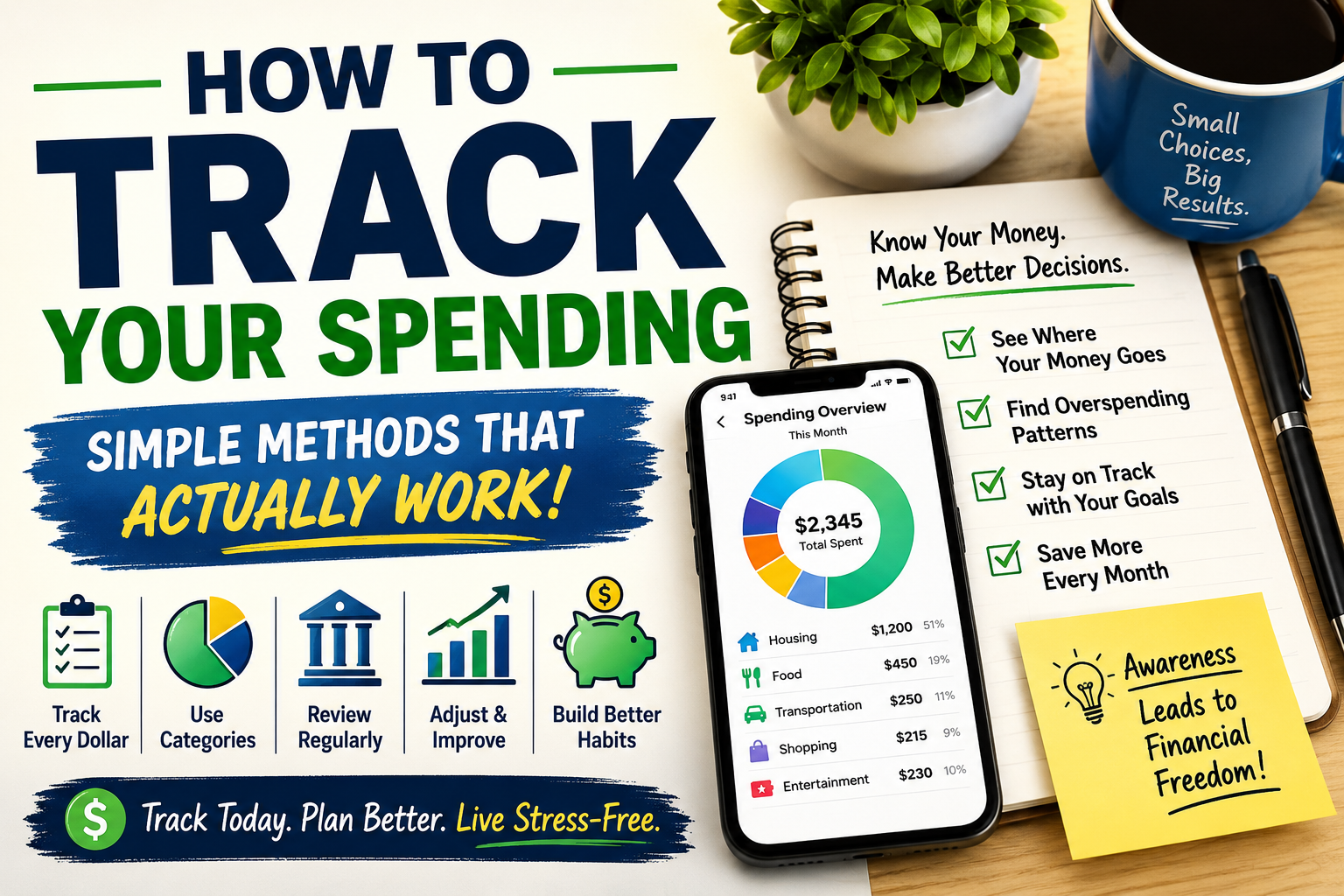 Learn how to track your spending with beginner-friendly methods. Discover how tracking expenses can help you save money, and avoid overspending.
 -
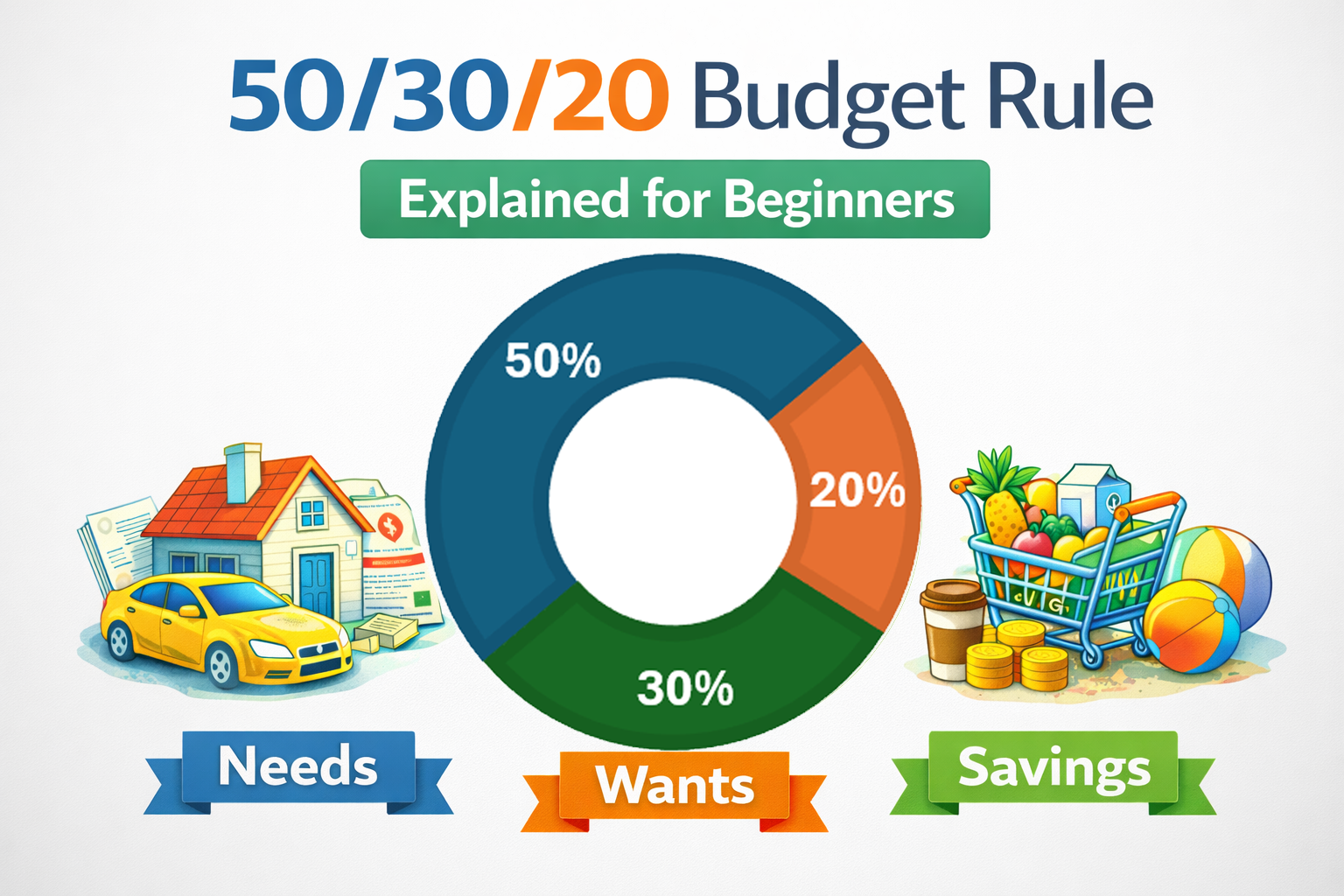 Learn how the 50/30/20 budget rule works with real examples. Discover how to divide your income into needs, wants, and savings to build a simple, bala
 -
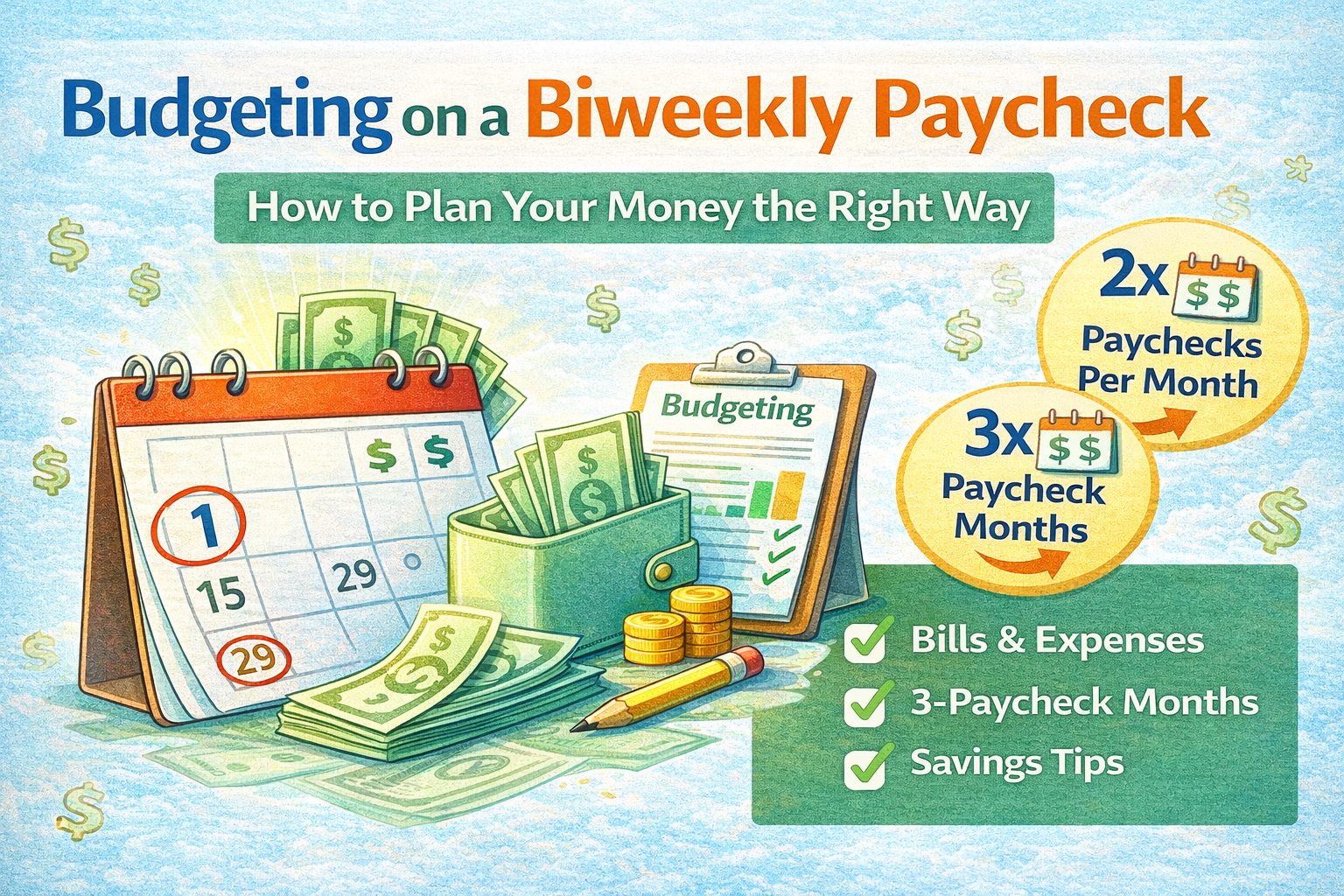 Learn how to budget with a biweekly paycheck. Discover simple strategies to manage bills, handle 3-paycheck months, and stay in control of your financ
 -
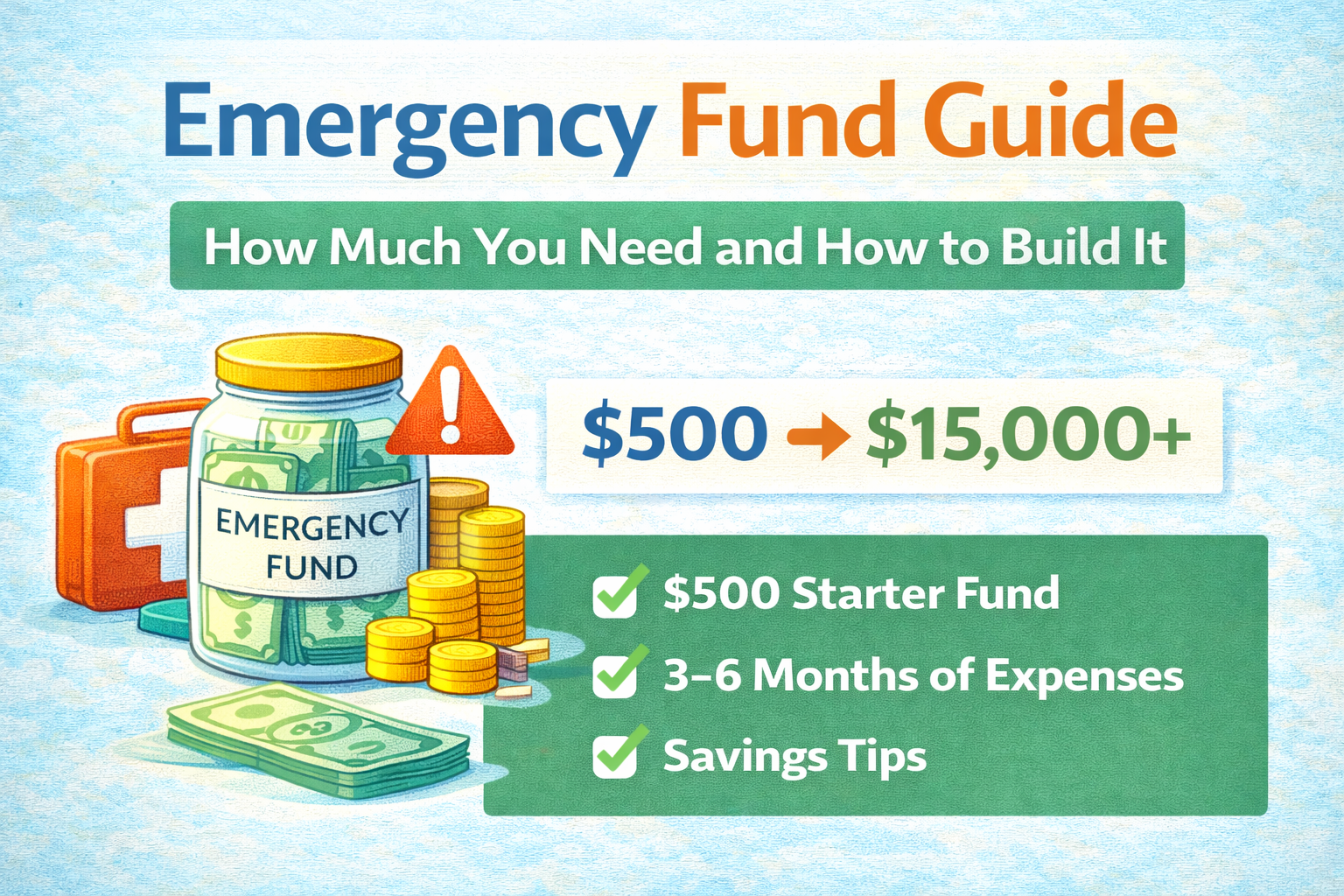 Learn why an emergency fund is essential, how much you should save, and practical strategies to build one faster.
 -
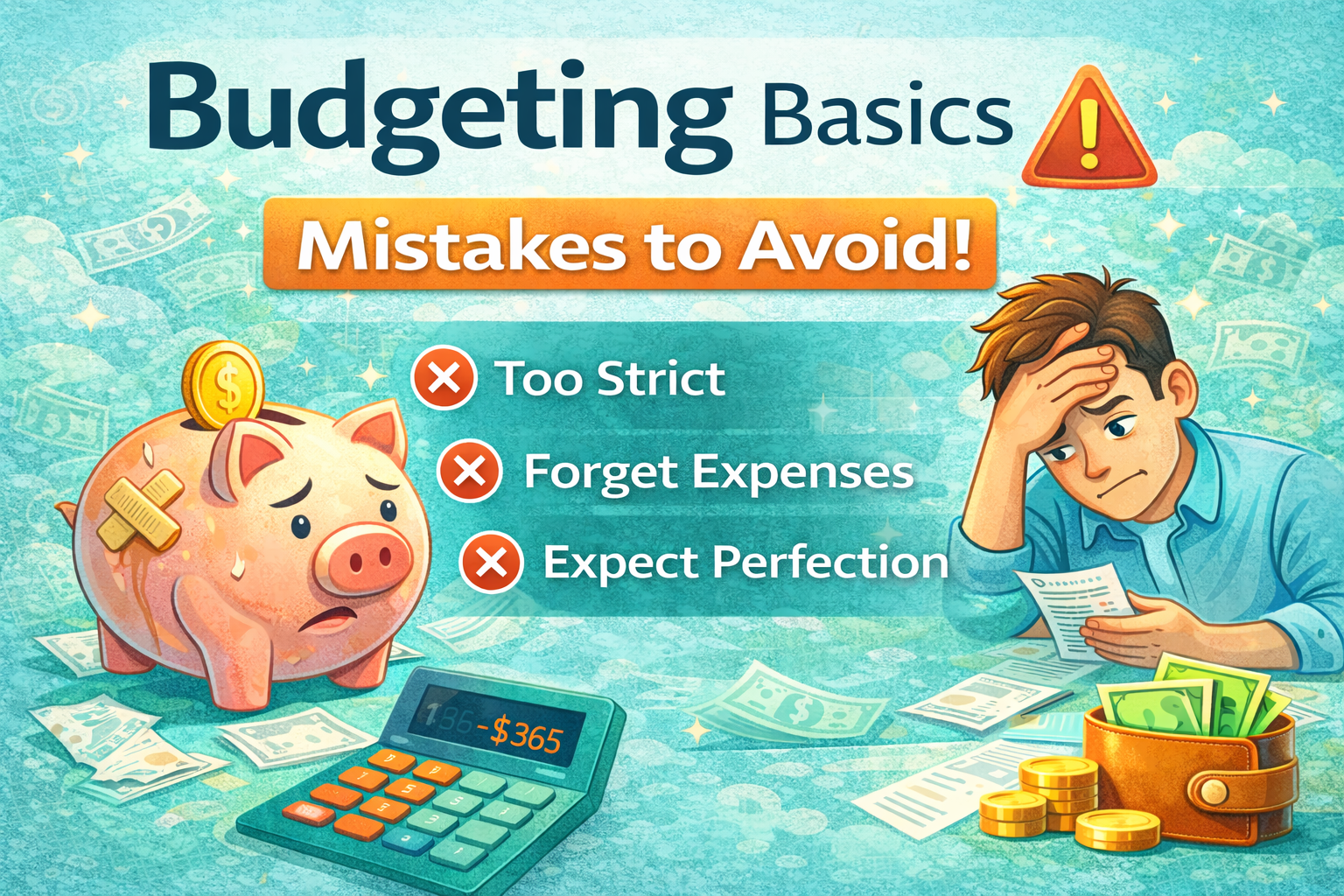 New to budgeting? Discover the most common budgeting mistakes beginners make, with real-life examples and simple fixes to help you save more and stres